Filter
Sort by:

FAQ
What is a gimbal?
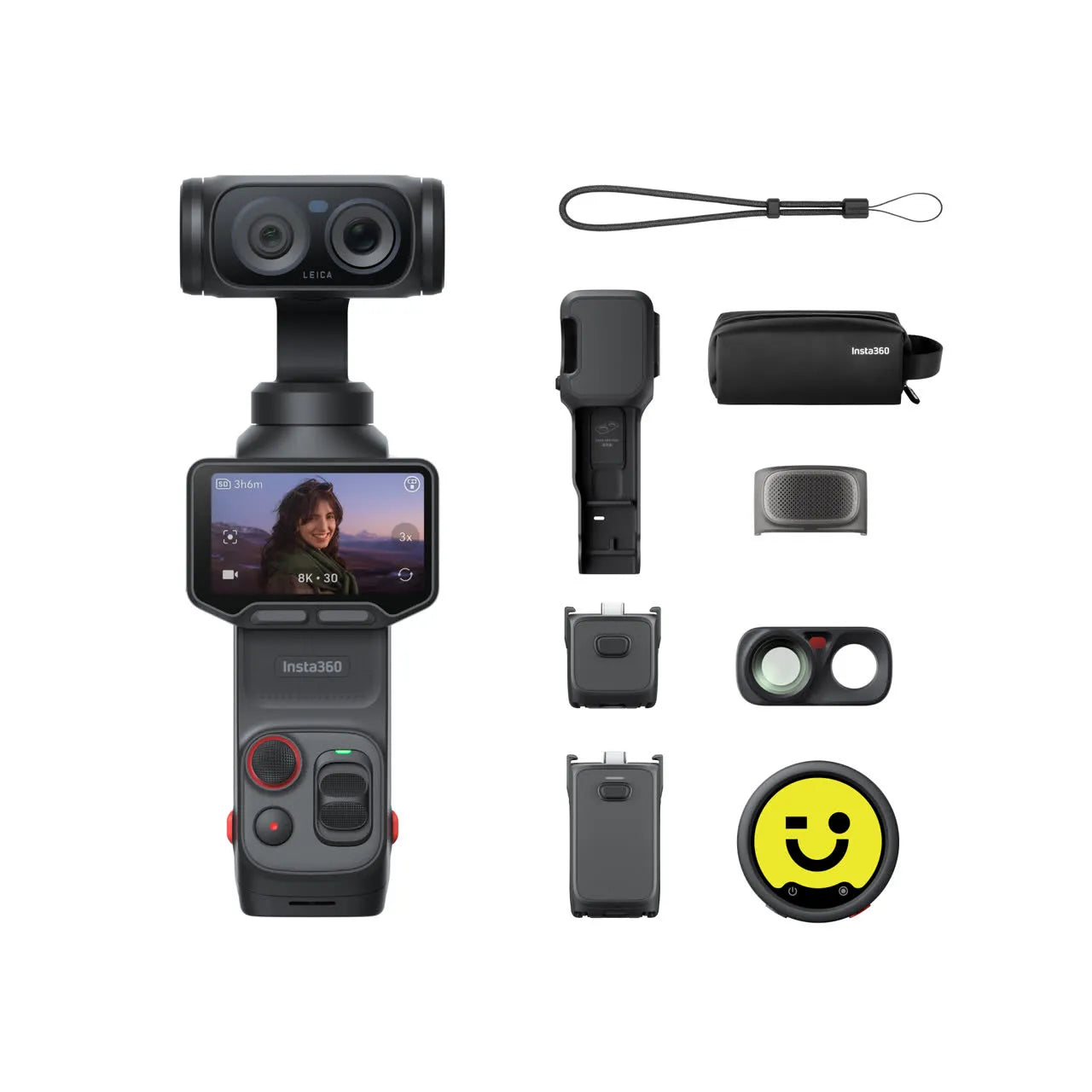
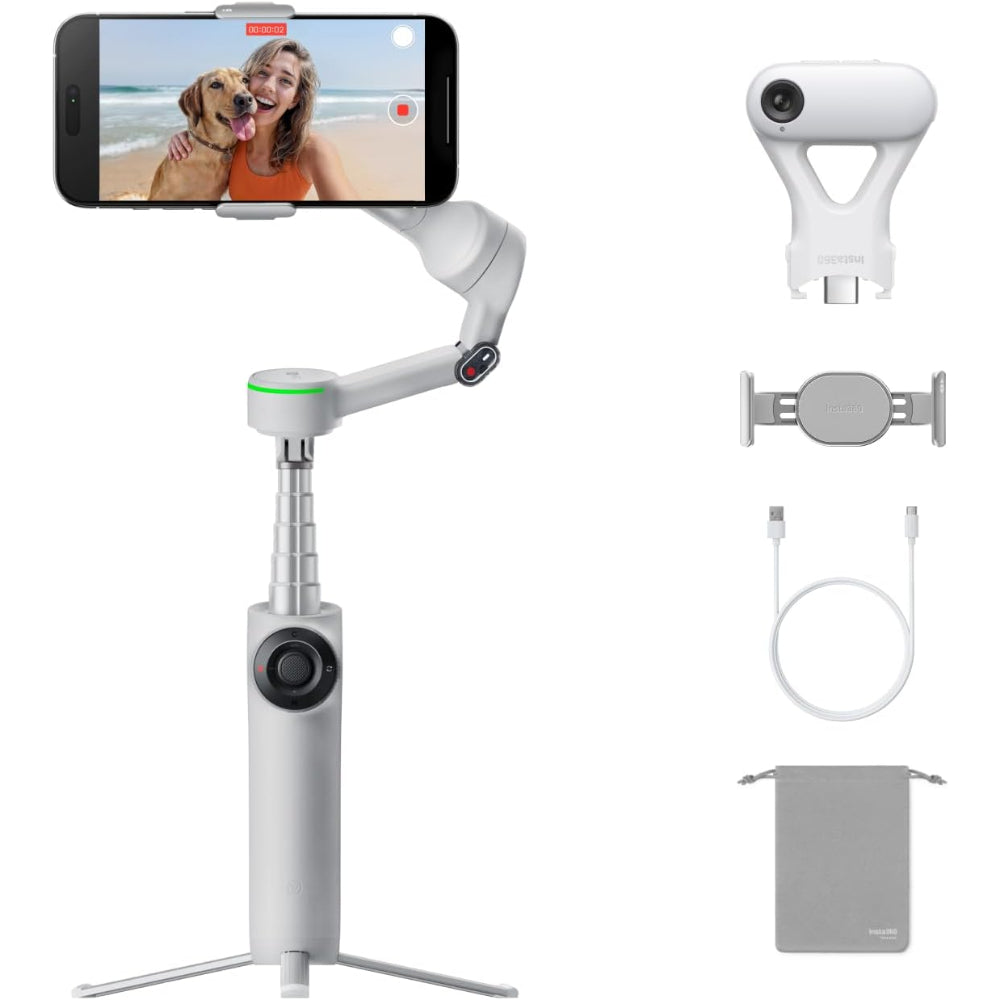
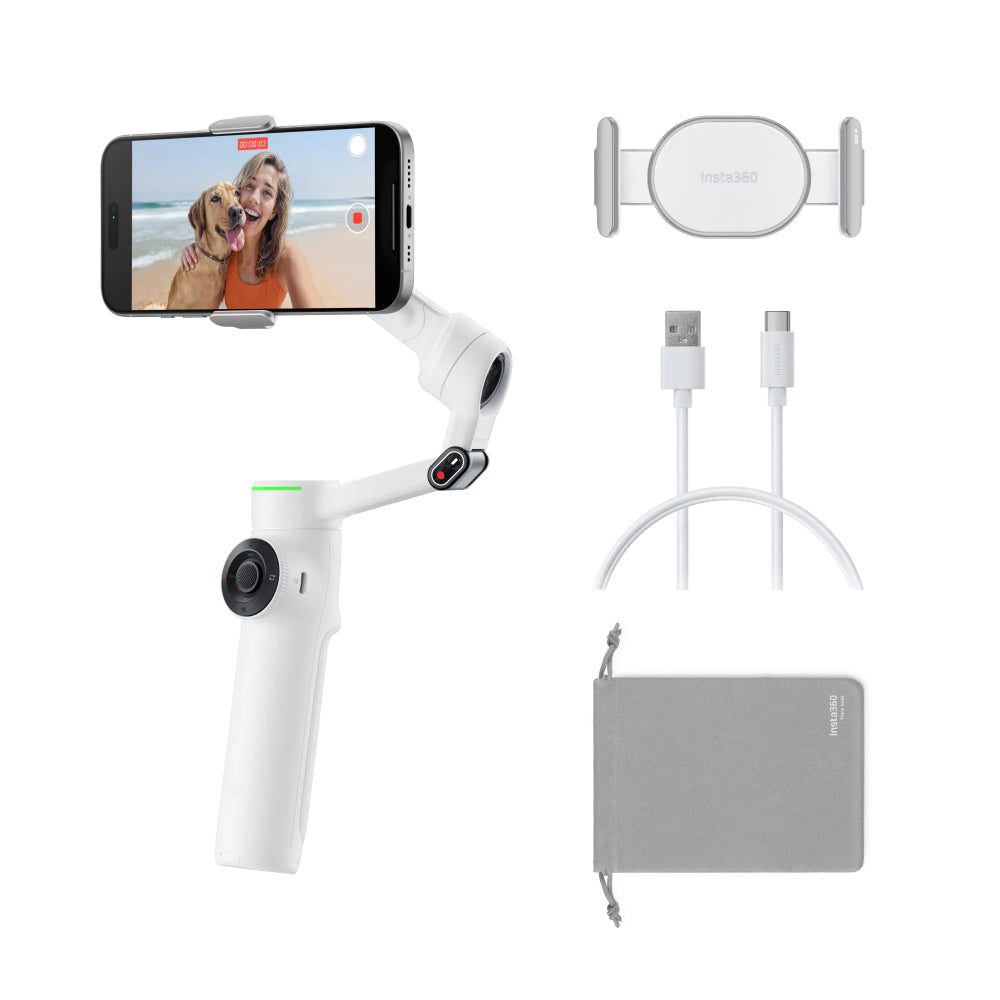
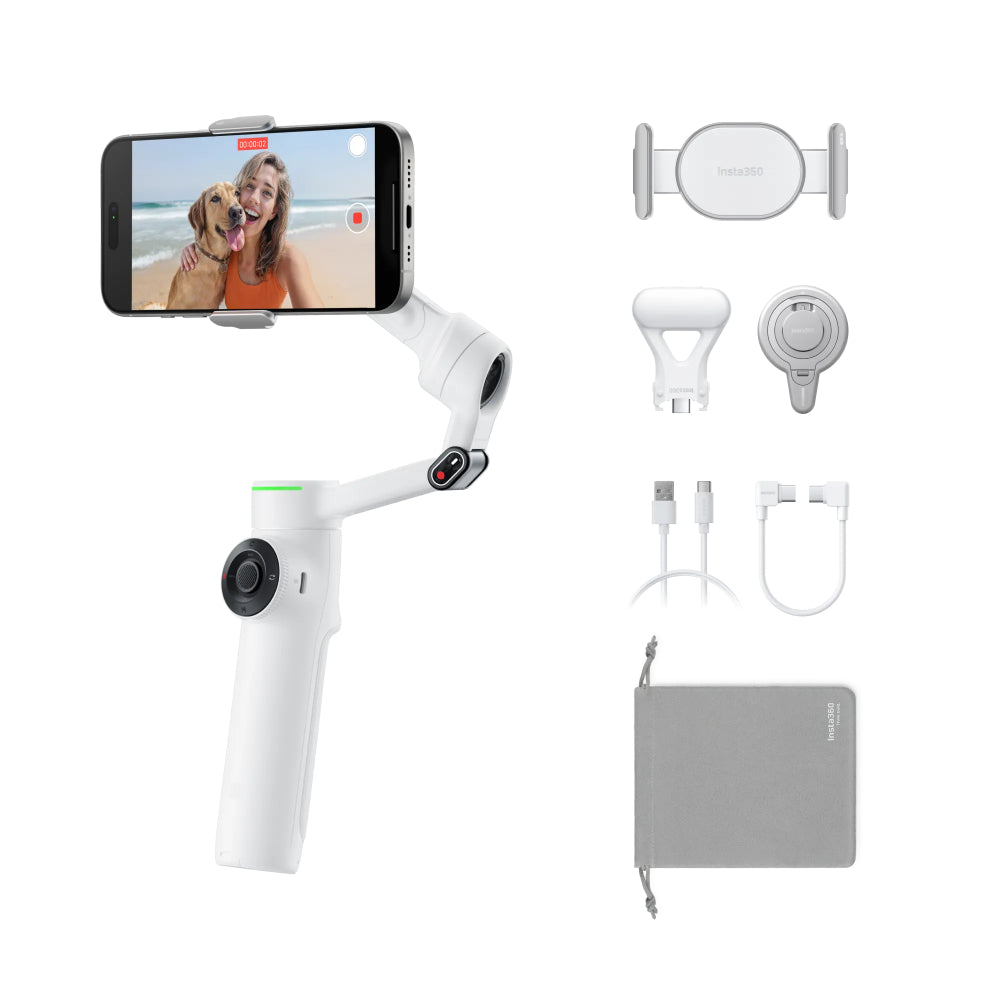
An Android or iPhone gimbal is a handheld or tripod-mounted device that helps keep your phone or camera steady while you shoot. Whether you’re walking, running, or panning around, a 3-axis gimbal smooths out shake by stabilizing pan, tilt, and roll movements. It’s a go-to tool for anyone wanting clean, professional-looking video, especially when paired with features like AI tracking or 360 shooting.
What kinds of movements can a gimbal correct?
Gimbals stabilize three key types of movement:
- Side-to-side tilt (roll)
- Forward and backward tilt (pitch)
- Side-to-side pan (yaw)
These work together to cancel out bumps, handshakes, and uneven movement as you film, making sure your shots stay smooth, no matter how you move.
What’s an Inertial Measurement Unit (IMU)?
Think of the IMU as your gimbal’s brain. It uses sensors to detect how your phone or camera is moving, then tells the gimbal’s motors how to respond. A good IMU helps keep footage stable and balanced, especially when filming on the go. It compensates using an accelerometer, gyroscope, and mechanical stabilizer.
Why does a gimbal need to be outside the camera?
Today’s smartphones are packed with smart sensors, but when it comes to capturing ultra-smooth video, built-in stabilization can only go so far. A handheld gimbal adds external stabilization that your phone alone can’t match. With advanced motors and sensors, it keeps your footage steady even during complex movements, fast action, or handheld filming. That’s why vloggers, filmmakers, and creators still rely on external gimbals for professional-quality results.
How do I choose the right gimbal?
It depends on your needs. If you’re filming on the go, look for a gimbal that’s compact and easy to carry. For daily vlogging or long shoots, battery life and app features matter. Choose one that works seamlessly with your iPhone or Android and includes smart tracking, gesture control, and easy app-based editing. A good gimbal should help youcapture professional-grade video footage, not make it more complicated.
How does a gimbal know which movements to correct?
Great question. High-quality gimbals are powered by intelligent algorithms and sensors that track your movements in real time. They know the difference between intentional pans and unwanted shakes, and adjust accordingly. Look for models with built-in AI, gesture or voice control, and dedicated shooting modes that makesmartphone filmmakingeasier by helping you stay in control and capture shots just the way you imagined them.